Design concept · Design for Mental Health← Back to the portfolio
Child + family psychology

Big feelings are welcome here.

Therapy for children, teens and the grown-ups who care for them.

A warm, playful space to understand what’s underneath the worry, meltdowns, shutdowns and tricky moments, and find ways forward that work for your family.

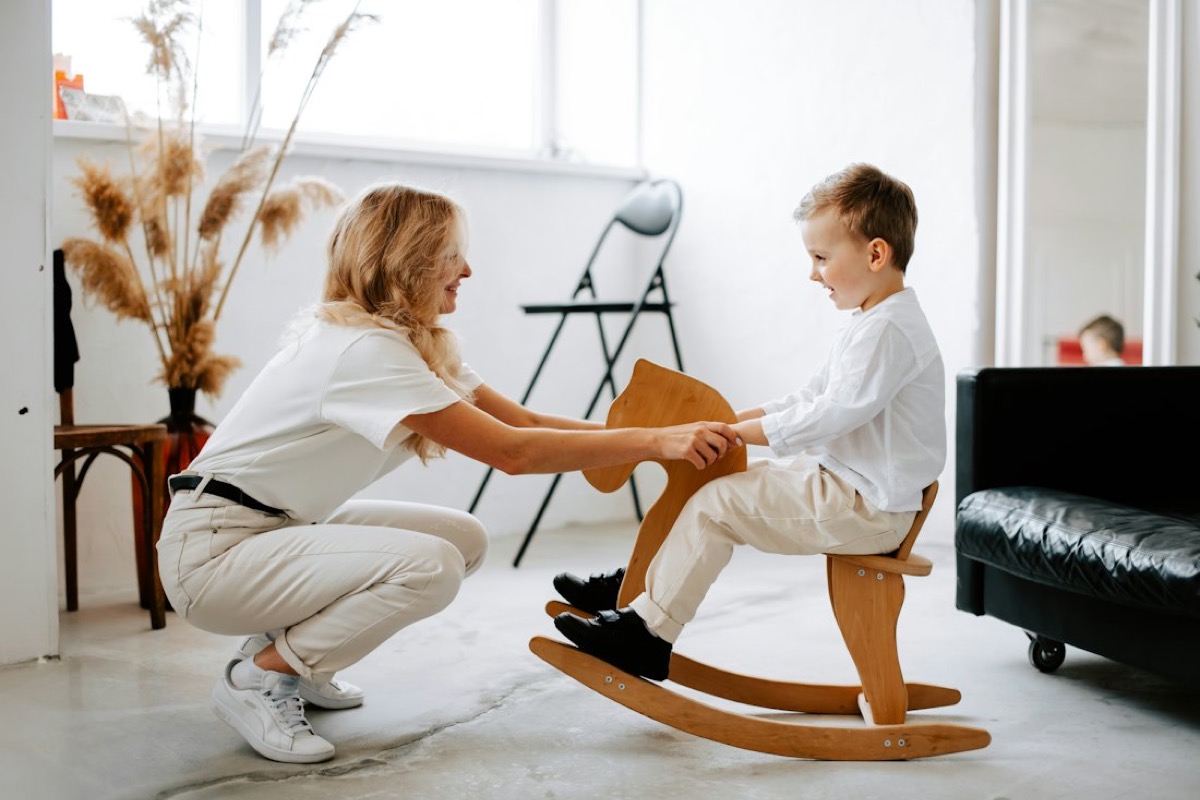
Maya kneeling on the floor, playing with a young boy on a wooden rocking horse
There’s usually more underneath a meltdown.
Sometimes it’s hard to know what they need.

The behaviour you see is only part of the story.

  • Maybe mornings have become battles.
  • Maybe school feels harder than it used to.
  • Maybe the smallest thing leads to the biggest reaction.
  • Or maybe your child seems completely fine to everyone else, but you know something underneath doesn’t feel right.

Children don’t always have the words to tell us what’s happening. Sometimes it comes out as:

Anger.Avoidance.Tears.Tummy aches.Perfectionism.Silence.Not wanting to go to school.
Instead of asking “How do we stop this behaviour?” we can start by asking “What is this behaviour trying to tell us?”
Your child isn’t giving you a hard time. They might be having a hard time.Curious before corrective.Sometimes play says what words can’t.

How I can help

For little ones

Child therapy
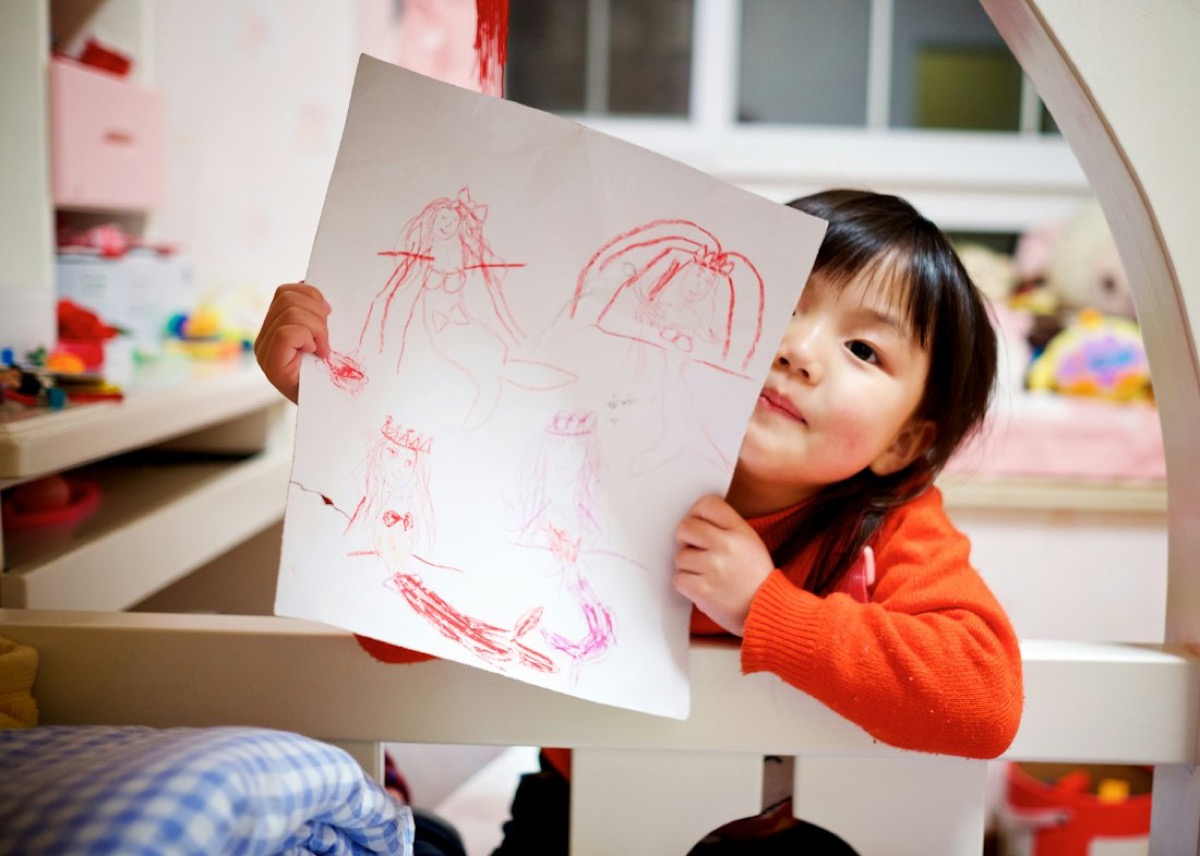
A little girl proudly holding up her drawing

A space to explore feelings through play, creativity and connection.

For children navigating anxiety, big emotions, friendships, confidence, change, neurodivergence or simply having a hard time being little.

Explore child therapy →

For bigger kids

Teen therapy

A smiling girl sitting on some steps outdoors

Growing up can feel like a lot.

Therapy gives teens somewhere to talk, question, feel and figure things out without needing to have everything neatly explained.

Explore teen therapy →
For grown-ups

Parent & family support

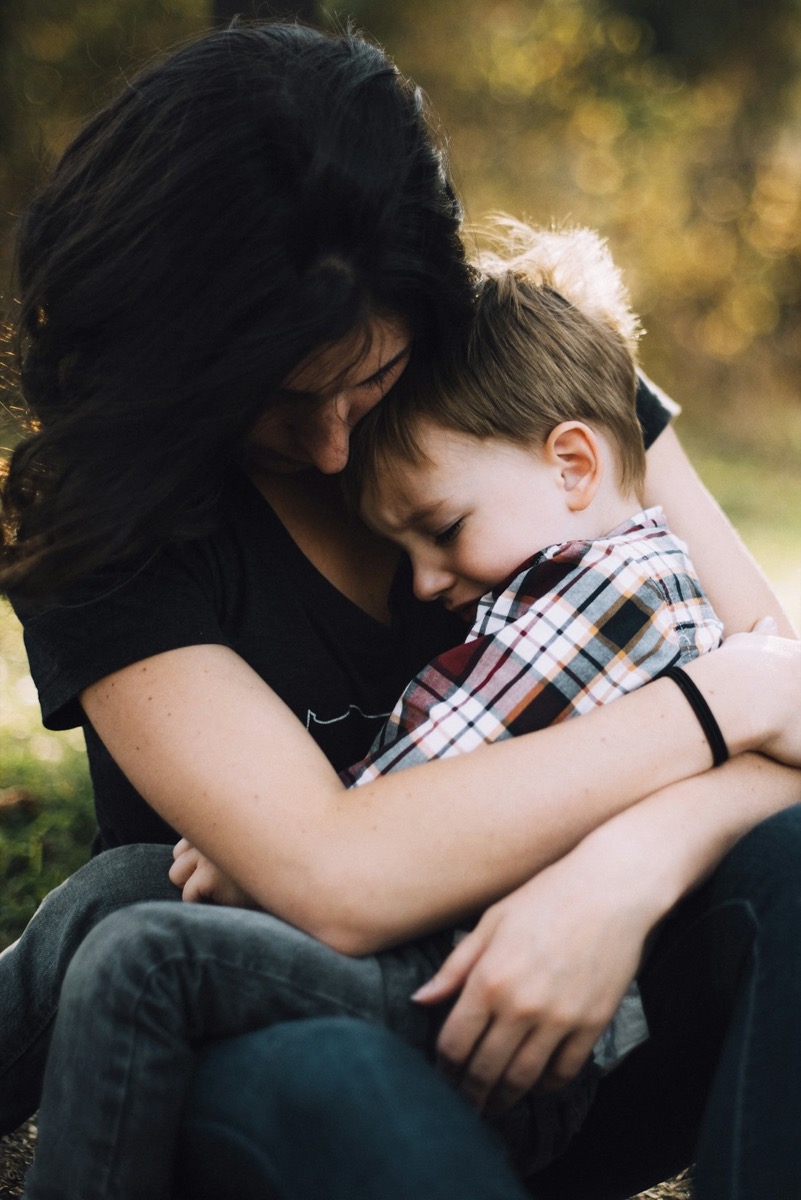
A mother holding her son close in a hug

Sometimes helping your child starts with supporting you.

Together, we can make sense of what’s happening, understand patterns at home and find ways of responding that create more connection and less conflict.

Explore parent support →
Portrait of Maya Bennett, smiling
Hi, I’m Maya.

I don’t expect children to sit still on a sofa and tell me how they feel.

And honestly, I wouldn’t want them to.

I’m a child and family psychologist who believes some of our most important conversations happen while we’re drawing, building something, moving around the room or deciding which dinosaur would win in a fight.

My approach is warm, curious and playful, but there’s intention underneath the play. I use evidence-informed psychological approaches alongside play, creativity and conversation to understand each child in the context of their relationships, development and everyday life.

And I work with parents too.

Because children don’t grow in isolation. When we understand what’s happening for your child and what happens between you in the difficult moments, change has somewhere to take root.

Less fixing. More understanding.

Play

Play is one of the ways children make sense of their world. We can use it to explore feelings and experiences that aren’t always easy to put into words.

Sometimes play says what words can’t.

Curiosity

Instead of deciding that a child is being “difficult”, we get curious about what might be making things difficult for them.

Curious before corrective.

Connection

Children grow through relationships. Therapy isn’t only about what happens between your child and me. We look at the relationships and environments around them too.

Practice

Understanding is important. But families also need things they can actually use on a Tuesday morning when everyone is late for school. So we turn insight into practical, realistic changes for everyday life.

Parents, this space is for you too.

You don’t have to get it right all the time.

Parenting advice can make it feel as though there is always a correct response.

And somehow you’re meant to do all of that when you’re exhausted and your child has been screaming for twenty minutes.

I’m not here to grade your parenting.

We’ll look together at what’s hard, what keeps repeating and what your family actually needs.

  • Sometimes that means changing how you respond to your child.
  • Sometimes it means understanding your child differently.
  • And sometimes it means giving you a little more support too.
Stay calm.Hold the boundary.Validate the feeling.Don’t yell.Don’t give in.Connect before you correct. No perfect parenting required.

What we might work on

How it works

  1. 01

    We start with you.

    Our first conversation is usually with the parent or caregiver. You can tell me what’s been happening, what’s worrying you and what you’ve already tried. Your child doesn’t need to explain anything yet.

  2. 02

    Then I meet your child.

    No interrogation. No pressure to talk. We get to know each other through conversation, play, drawing, games or whatever helps them feel comfortable.

  3. 03

    We make sense of it together.

    We begin connecting the dots between emotions, behaviour, relationships and what’s happening around your child.

  4. 04

    We keep adapting.

    There isn’t one script for every child. As things change, our work changes too.

Different brains welcome.

Different isn’t something we need to fix.

I take a neuroaffirming approach to working with children and families. That means recognising differences in how children communicate, regulate, connect, learn and experience the world, and working with those differences rather than automatically treating them as deficits.

A room made for being yourself.

No white coats. No scary clipboard.

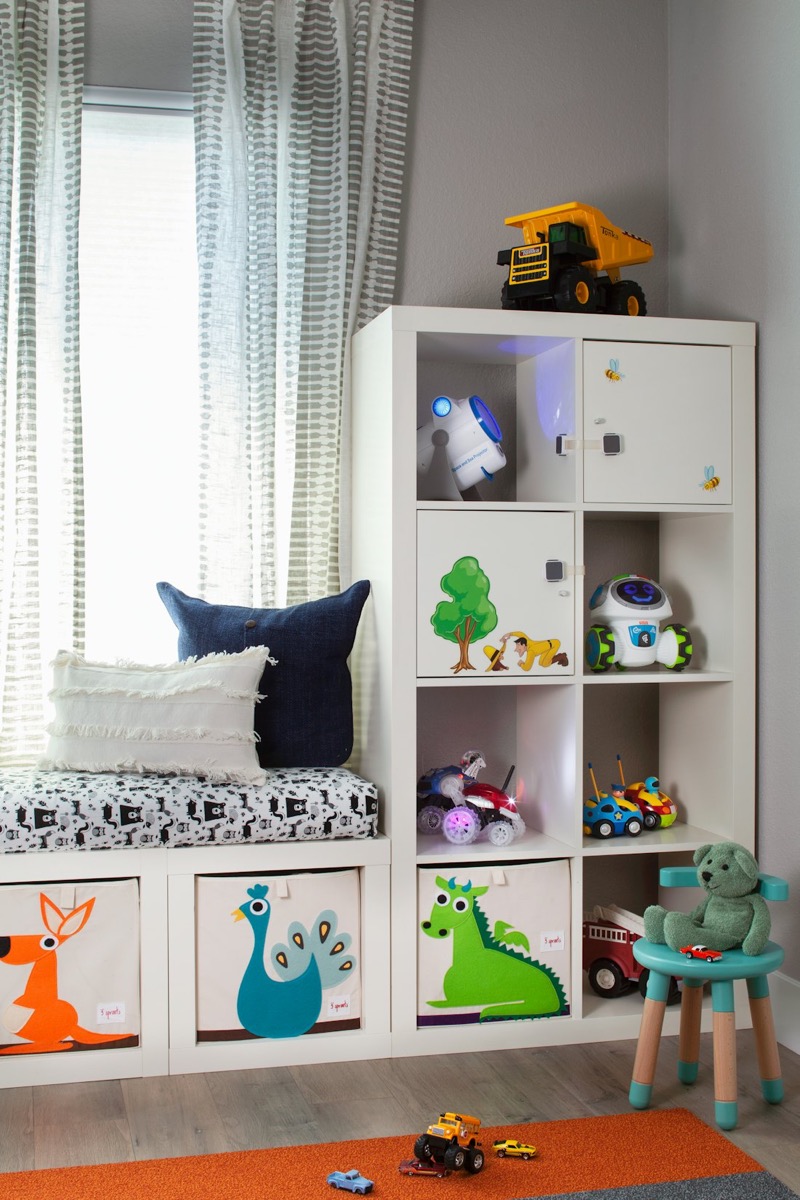
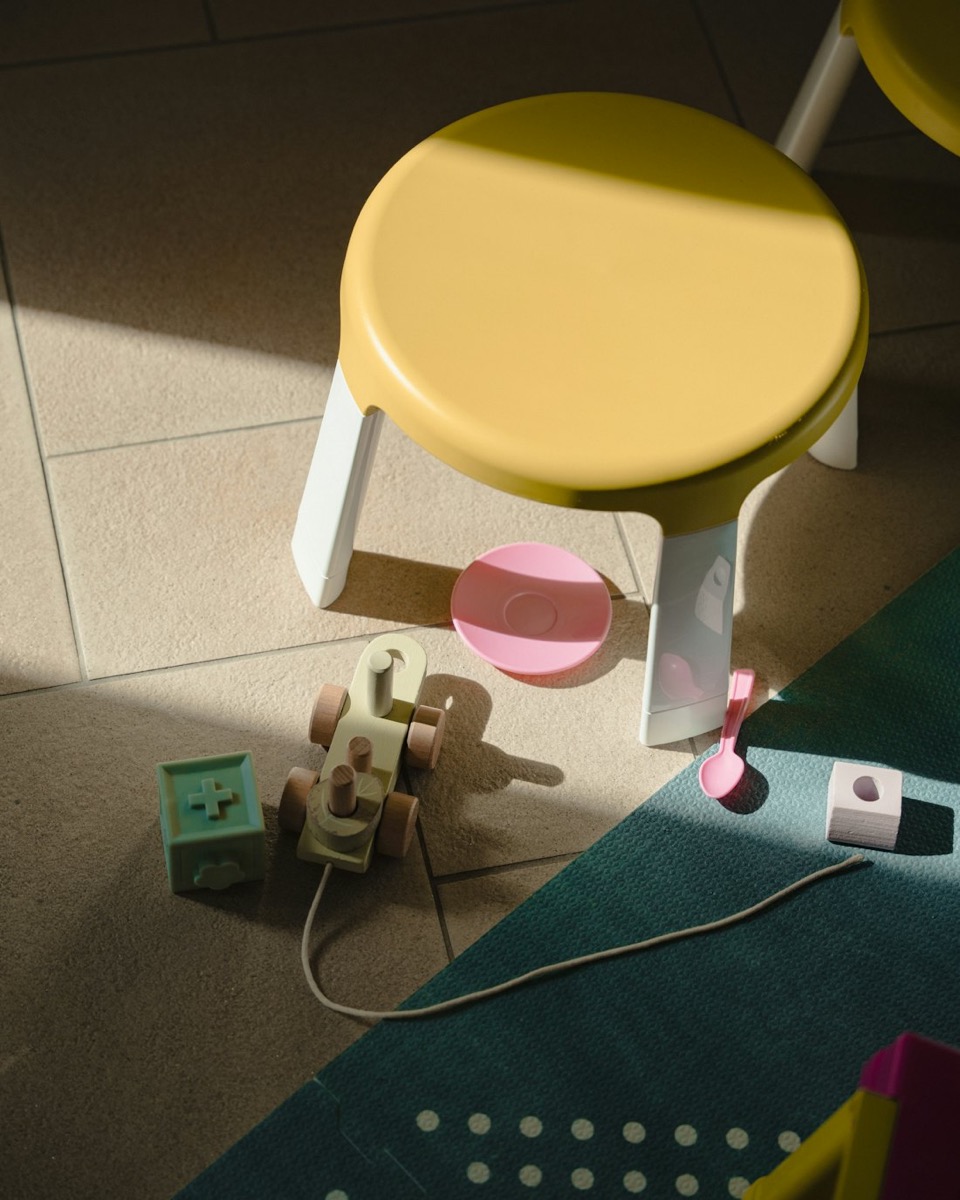
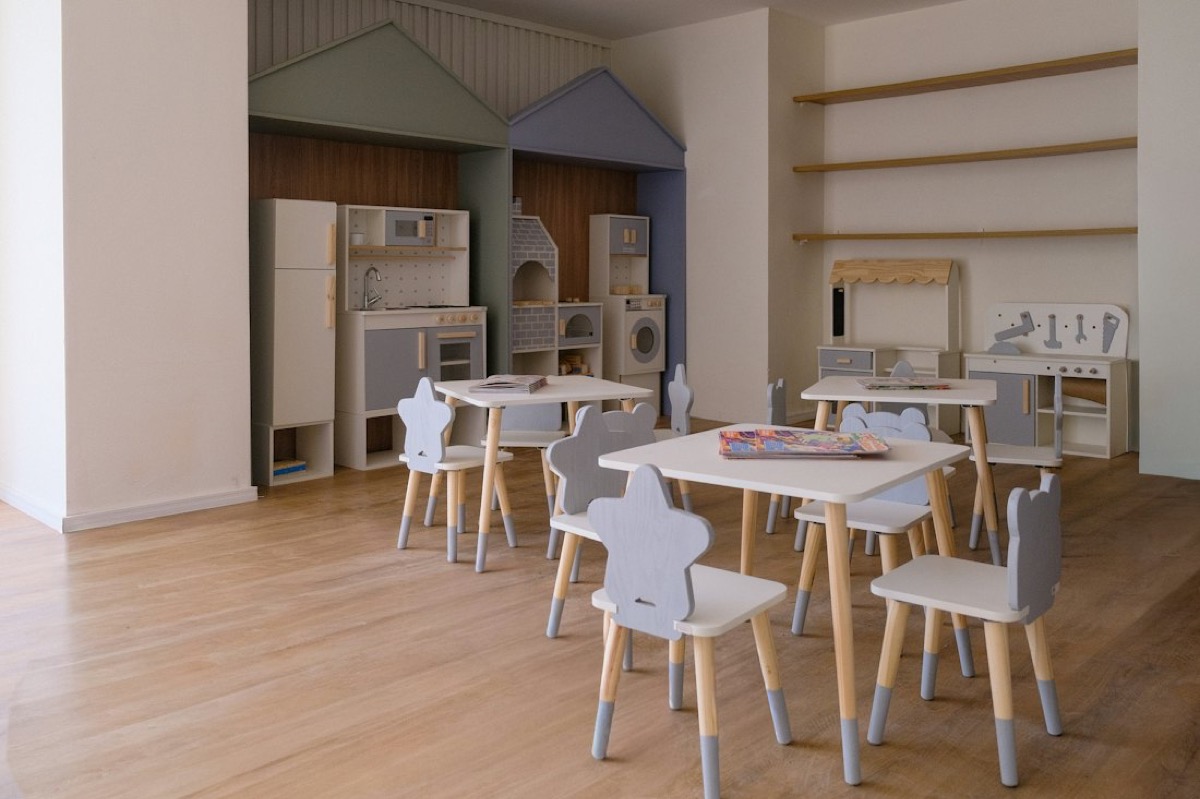
Just somewhere comfortable to play, talk, draw, think, move around, be quiet, ask questions or take a little while to warm up.

A window seat with cushions next to shelves of toys A yellow stool and wooden toys on a soft rug A mustard armchair in the sunlight, where parents can sit Small tables and chairs in a playroom with house-shaped shelves

FAQs

Does my child need a diagnosis to see you?

No. Sometimes families come with a diagnosis. Sometimes they come with a question. And sometimes they simply know something isn’t feeling quite right.

Will I be involved in my child’s therapy?

Usually, yes. How much depends on your child’s age, needs and what we’re working on. Supporting a child often means supporting the relationships around them too.

What if my child doesn’t want to talk?

That’s okay. Talking is only one way children communicate. We can use play, creativity, movement and simply getting comfortable with each other.

Will you tell me everything my child says?

Your child needs to feel that therapy is a space they can trust. We’ll talk clearly at the beginning about privacy, what gets shared with parents and the situations where something needs to be communicated for safety.

Not sure if therapy is the right next step?

You don’t need to know exactly what’s going on before reaching out.

Tell me a little about your child, what’s been happening and what you’re hoping might feel different.

We’ll figure out the next step together.

No pressure. No perfect explanation required.