For your first group
Service one

What this service offers, in one sentence.
Who it’s for and what they’re usually going through. Two or three sentences.
Explore service one →Who you work with, in one short line.
Two or three sentences in your own words: what people usually arrive with, and how you tend to work with it.

A sentence that introduces what this can look like day to day:
What this service offers, in one sentence.
Who it’s for and what they’re usually going through. Two or three sentences.
Explore service one →
What this service offers, in one sentence.
Who it’s for and what they’re usually going through. Two or three sentences.
Explore service two →
What this service offers, in one sentence.
Who it’s for and what they’re usually going through. Two or three sentences.
Explore service three →
And a short, honest follow-up.
Who you are and what you believe about the work. Two or three sentences in your own voice.
Your approach and the methods you use, explained in plain words.
Who else you work with, and why that matters.
What this means in your sessions, in one or two sentences.
A short line that sums it up.
What this means in your sessions, in one or two sentences.
A short line that sums it up.
What this means in your sessions, in one or two sentences.
What this means in your sessions, in one or two sentences.
A sentence that names the pressure they often feel.
A second sentence that shows you understand it.
A clear line about how you work with them.
What you look at together.
What happens first, and who it’s with.
What happens next, and what it feels like.
How the work starts to come together.
How the work adapts over time.
A short line that explains it.
Two or three sentences about how this value shows up in your practice.
What it isn’t, in two short phrases.
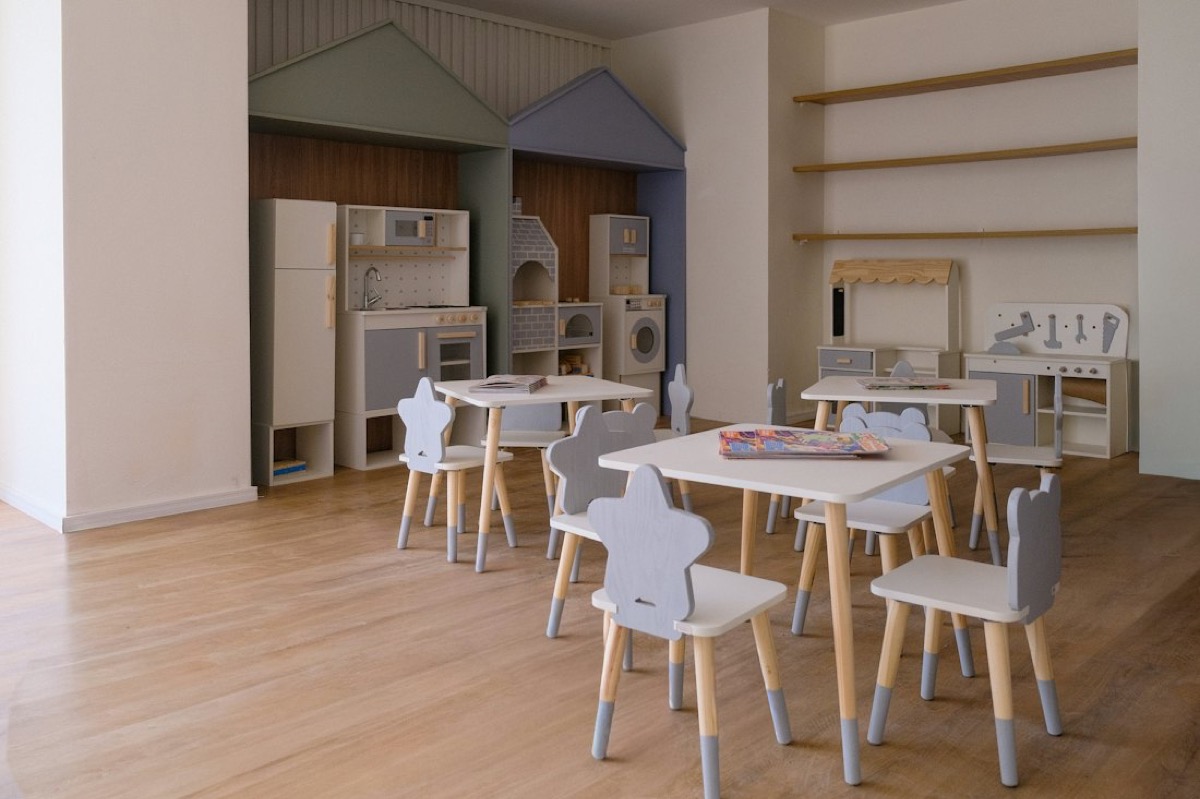
What someone can do there. A sentence about the room itself.

A clear, honest answer in two or three sentences.
A clear, honest answer in two or three sentences.
A clear, honest answer in two or three sentences.
A clear, honest answer in two or three sentences.
A sentence that lowers the pressure of writing.
What someone could tell you in their first message.
What happens next.
I’ll be in touch soon to find a time for your first call.
This is a base design with sample content, so no message was sent.